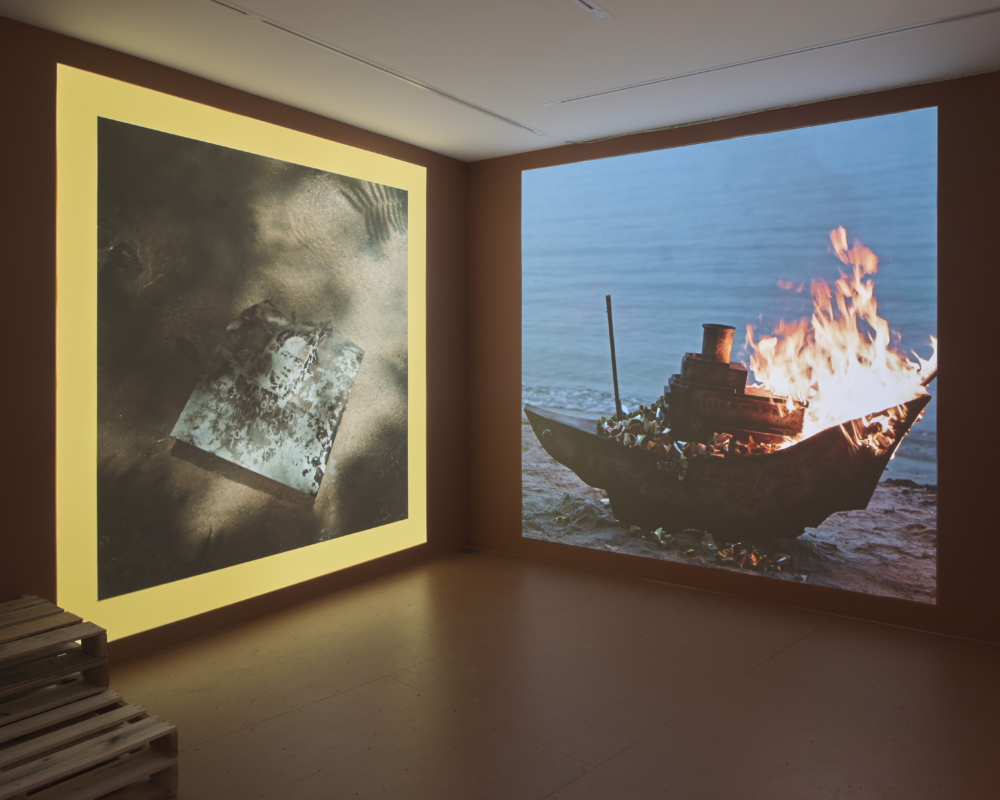
I opened a performance-installation, a solo show, at Storefront for Art and Architecture in New York on 8 Aug 2026. This was a new commission by Storefront, installed and performed in their iconic Soho space in NYC.
Details and newsprint publication at https://storefront.nyc/program/longings-returns-by-sim-chi-yin/
—–
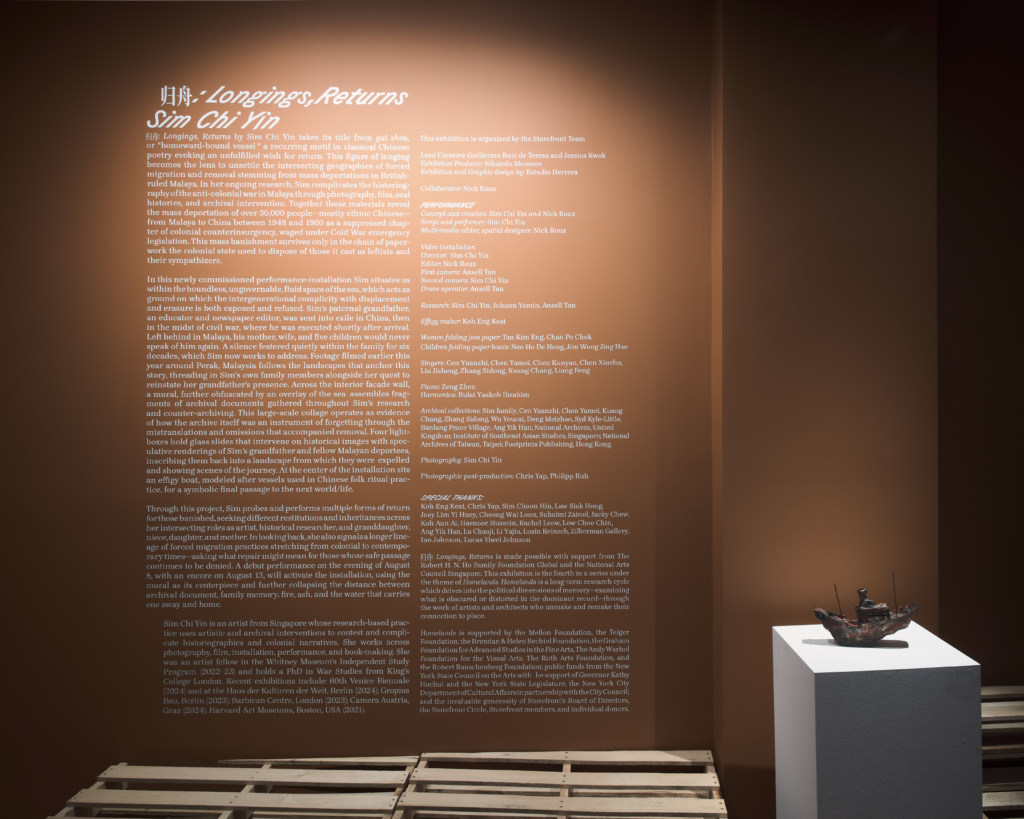
归舟: Longings, Returns by Sim Chi Yin takes its title from gui zhou, or “homeward-bound vessel,” a recurring motif in classical Chinese poetry evoking an unfulfilled wish for return. This figure of longing becomes the lens to unsettle the intersecting geographies of forced migration and removal stemming from mass deportations in British-ruled Malaya. In her ongoing research, Sim complicates the historiography of the anti-colonial war in Malaya through photography, film, oral histories, and archival intervention. Together these materials reveal the mass deportation of over 30,000 people—mostly ethnic Chinese—from Malaya to China between 1948 and 1960 as a suppressed chapter of colonial counterinsurgency, waged under Cold War emergency legislation. This mass banishment survives only in the chain of paperwork the colonial state used to dispose of those it cast as leftists and their sympathizers.
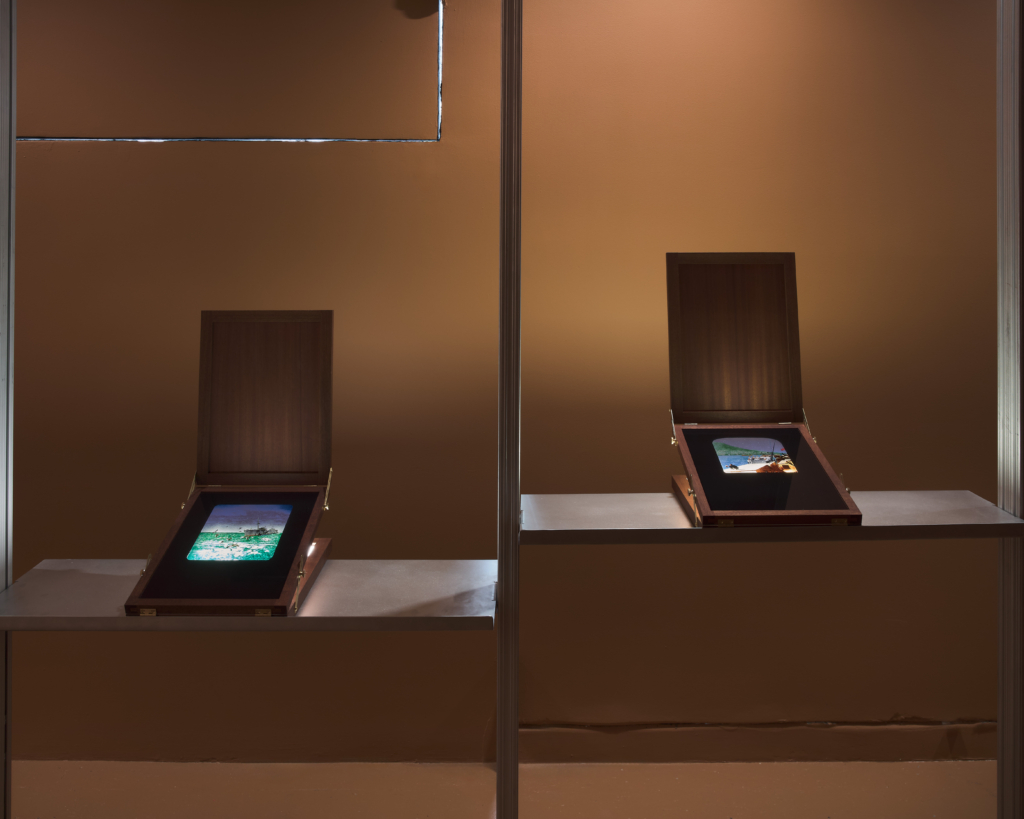
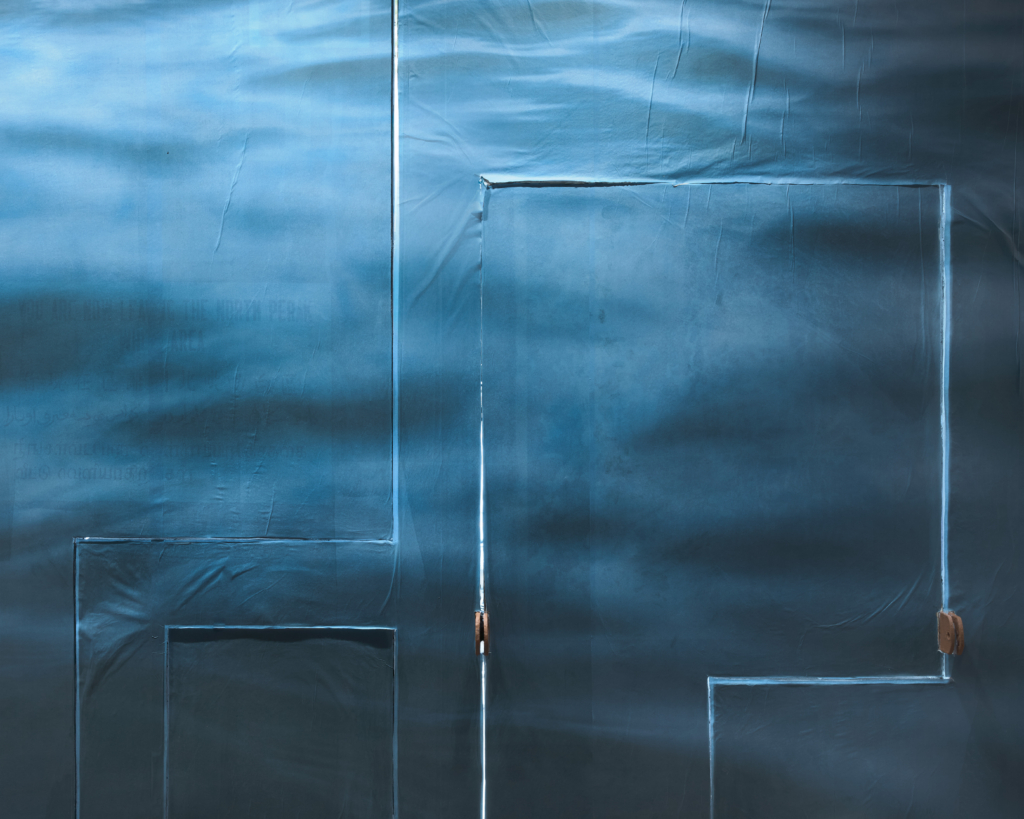
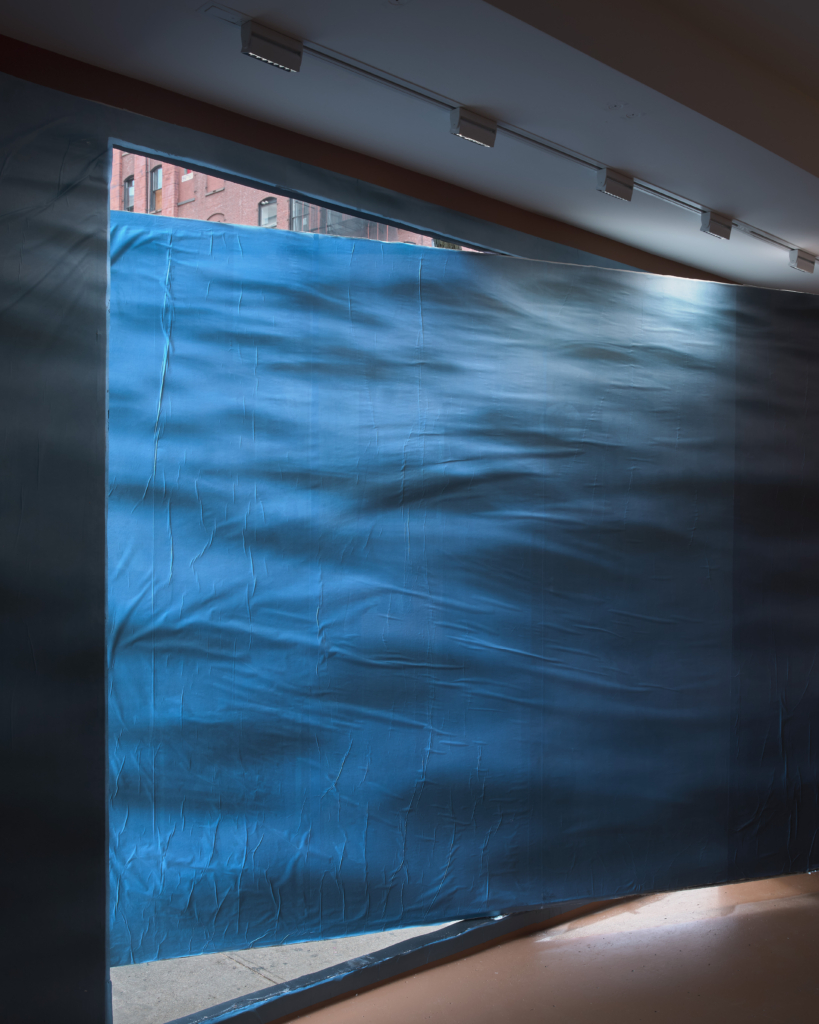
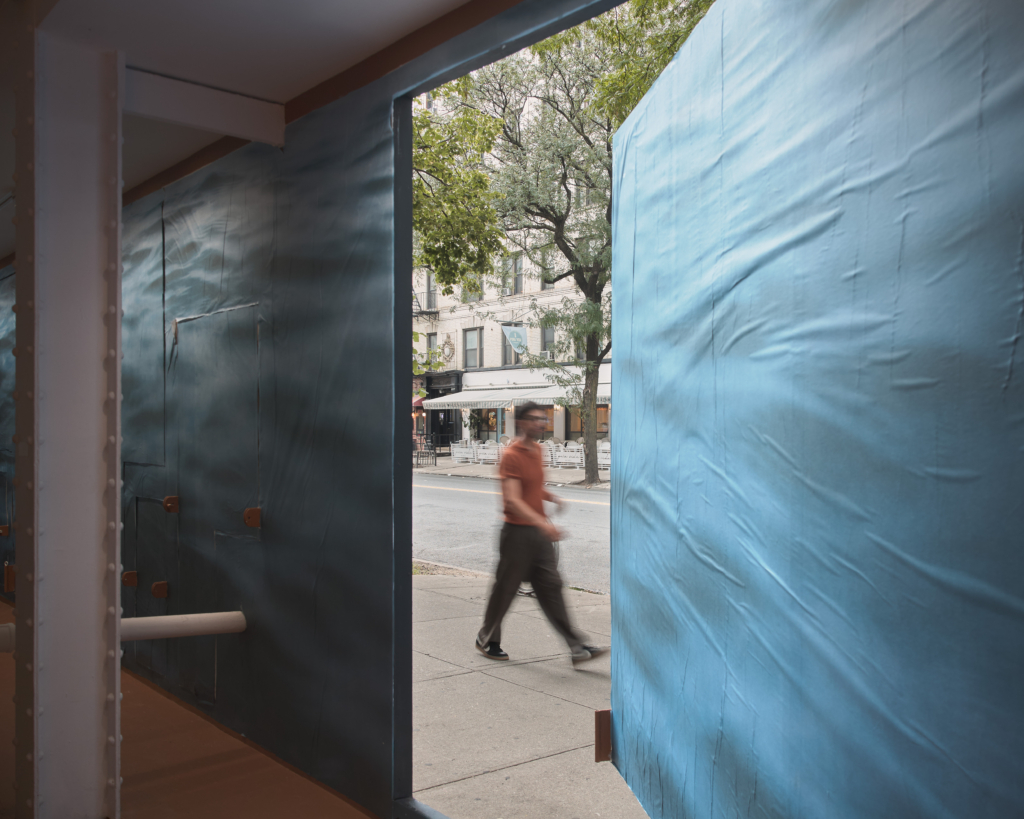
In this newly-commissioned performance-installation Sim situates us within the boundless, ungovernable, fluid space of the sea, which acts as ground on which the intergenerational complicity with displacement and erasure is both exposed and refused. Sim’s paternal grandfather, an educator and newspaper editor, was sent into exile in China, then in the midst of civil war, where he was executed shortly after arrival. Left behind in Malaya, his mother, wife, and five children would never speak of him again. A silence festered quietly within the family for six decades, which Sim now works to address. Footage filmed earlier this year around Perak, Malaysia follows the landscapes that anchor this story, threading in Sim’s own family members alongside her quest to reinstate her grandfather’s presence. Across the interior facade wall, a mural, further obfuscated by an overlay of the sea, assembles fragments of archival documents gathered throughout Sim’s research and counter-archiving. This large-scale collage operates as evidence of how the archive itself was an instrument of forgetting through the mistranslations and omissions that accompanied removal. Four lightboxes hold glass slides that intervene on historical images with speculative renderings of Sim’s grandfather and fellow Malayan deportees, inscribing them back into a landscape from which they were expelled and showing scenes of the journey. At the center of the installation sits an effigy boat, modeled after vessels used in Chinese folk ritual practice, for a symbolic final passage to the next world/life.
Through this performance and installation, Sim probes and performs multiple forms of return for those banished, seeking different restitutions and inheritances across her intersecting roles as artist, historical researcher, and granddaughter, niece, daughter, and mother. In looking back, she also signals a longer lineage of forced migration practices stretching from colonial to contemporary times—asking what repair might mean for those whose safe passage continues to be denied. A debut performance on the evening of August 8, with an encore on August 13, will activate the installation, using the mural as its centerpiece and further collapsing the distance between archival document, family memory, fire, ash, and the water that carries one away and home. 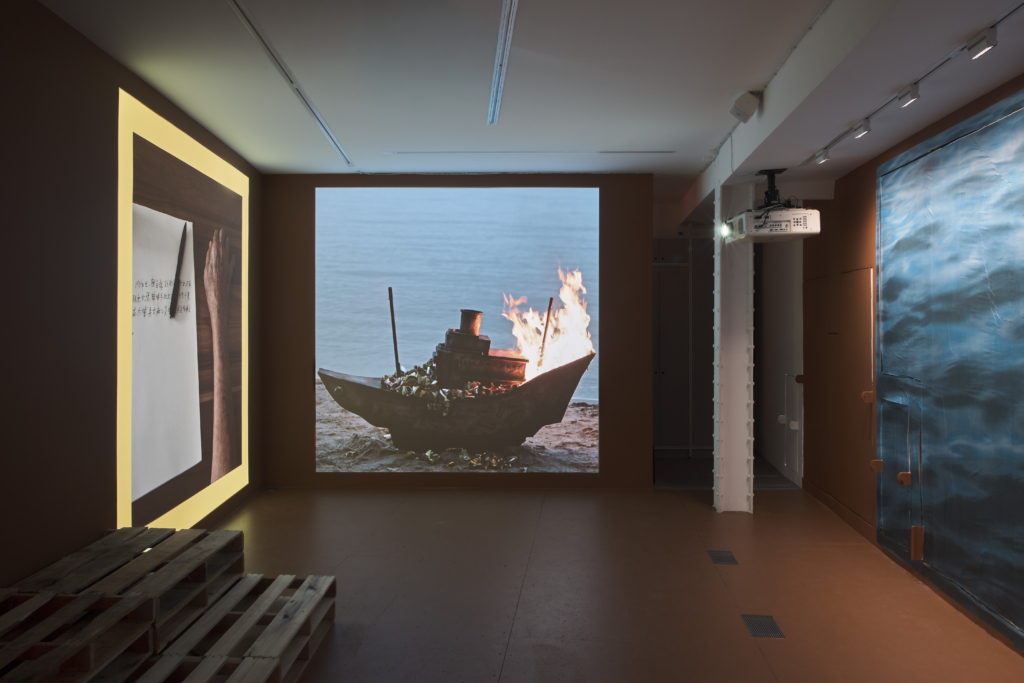
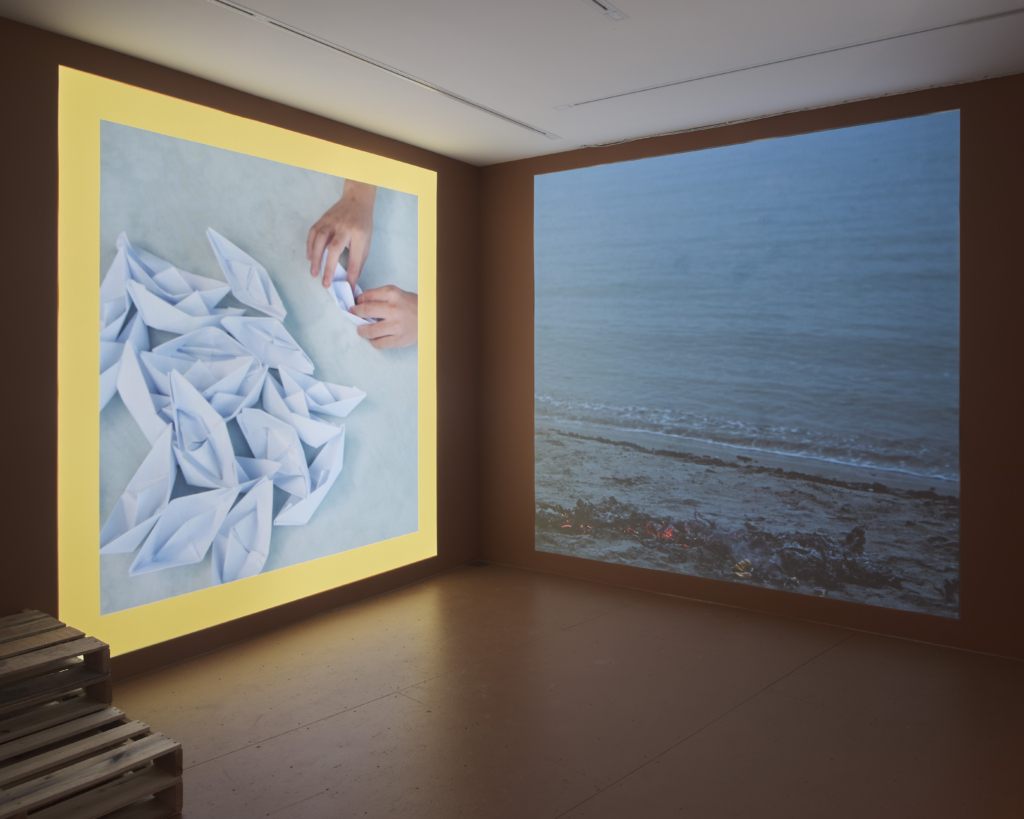
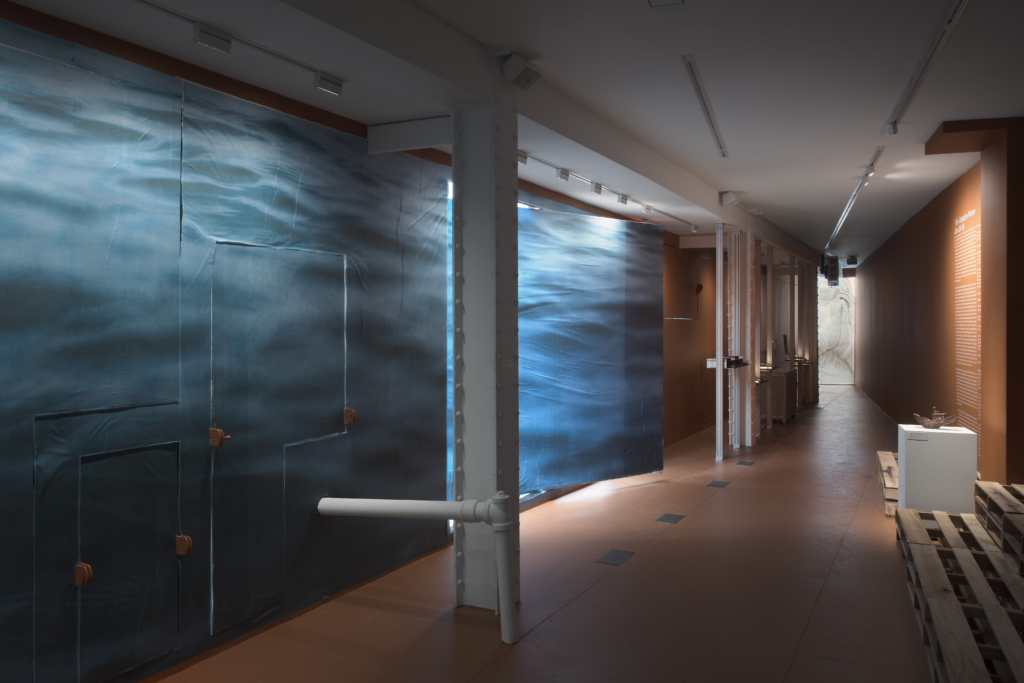
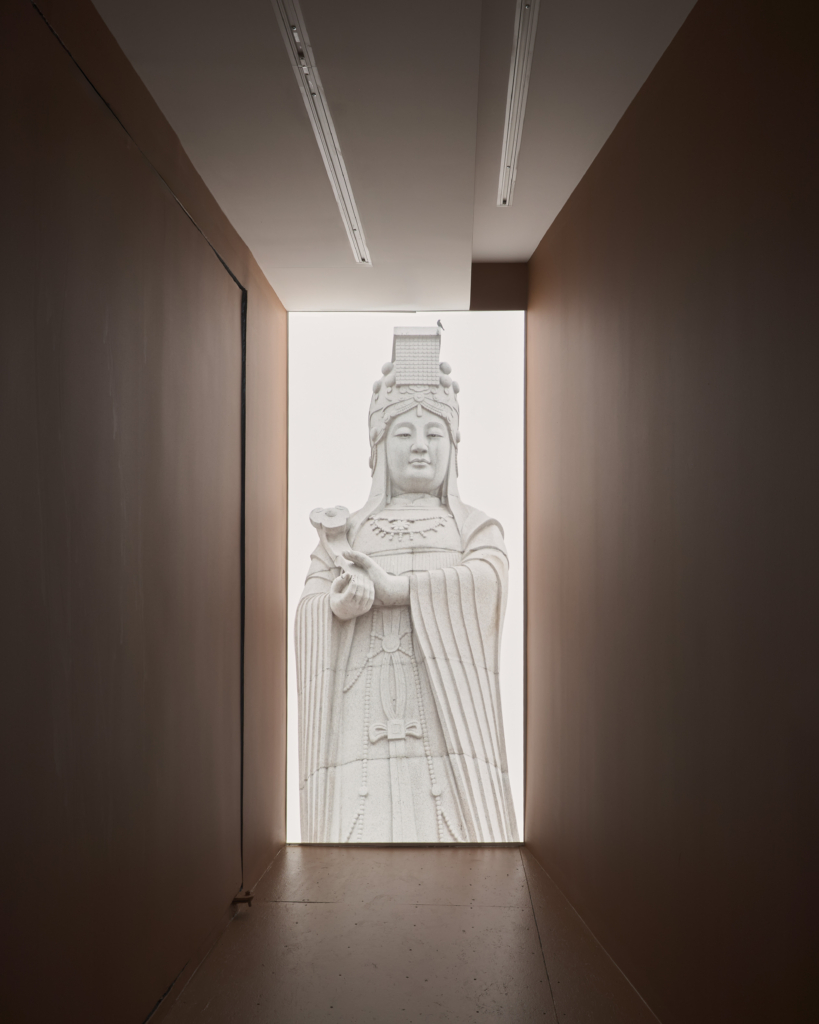
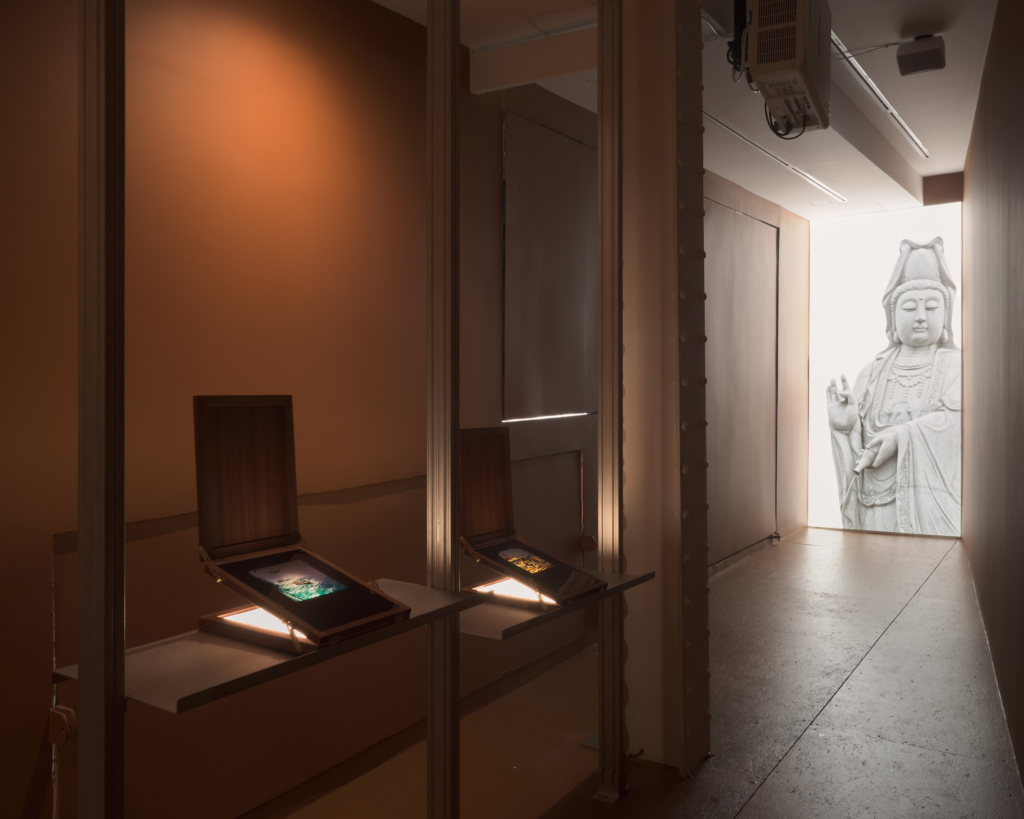
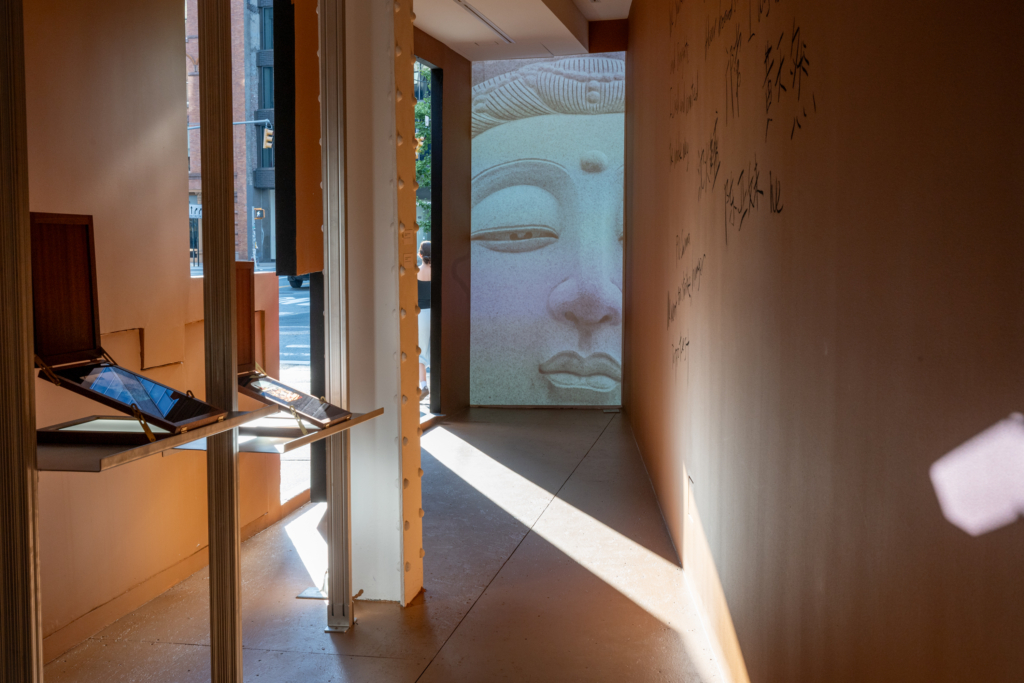
Installation views by Luis Corzo